Best Places To Visit In Portugal 2026
A practical roundup review of the best options for best places to visit in portugal, with quick picks, comparison notes, mini reviews, buying advice, and FAQ.
Best Places To Visit In Portugal 2026
Roundup review
We considered 30+ destinations across mainland Portugal, Madeira, and the Azores for this roundup, weighing public travel data, seasonal crowd patterns, accommodation pricing trends, and feedback from UK travellers who visited in 2025. The Algarve's western coast, around Lagos and Sagres, takes the best overall spot for 2026 because it balances year-round mild weather, consistent flight routes from the UK, and a wider spread of accommodation options than the busier eastern strip. This roundup is based on destination research, official tourism board information, public traveller review patterns, and editorial analysis rather than personal inspection visits.
Quick Comparison
Western Algarve
- Best year-round weather balance
- Frequent UK flight connections
- Diverse accommodation range
Lisbon Coast
- Short transfers from airport
- Beach and city combo
- Good value outside August
Douro Valley
- Scenic vineyard stays
- Quiet and romantic
- River cruises included
Porto City
- Michelin-starred dining
- Mercado do Bolhão
- Port wine cellars
Madeira Island
- Levada hiking trails
- Dramatic cliff scenery
- Mild winter escapes
The Best Places To Visit In Portugal
- Western Algarve - Best overall for most travellers
- Lisbon Coast - Best for families wanting city and beach
- Douro Valley - Best for couples and wine lovers
- Porto City - Best for food and culture
- Madeira Island - Best for outdoor adventure
Western Algarve: Lagos, Sagres & Praia da Luz
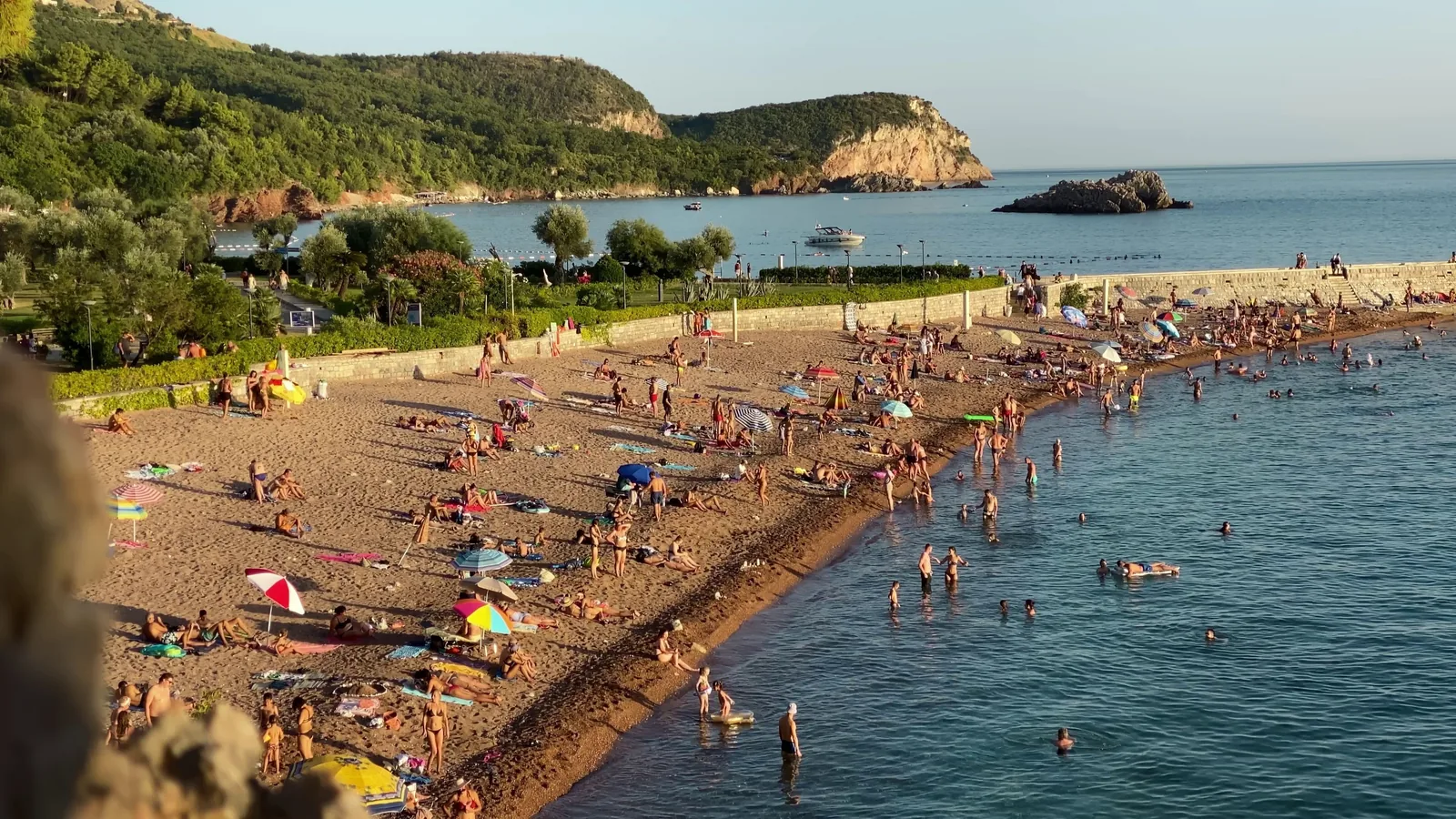
The western Algarve edges out Portugal's more famous eastern resorts because it offers the same beaches without the overcrowding, plus a landscape that actually feels different from the UK's typical summer holiday spots. Lagos gives you historic charm, cliff-top walks, and a proper town centre; Sagres delivers remote, windswept beaches; and Praia da Luz sits quietly in between for families. Flight times from the UK run around two and a half hours, and the region's position on the Atlantic coast keeps summer temperatures a few degrees cooler than the eastern Algarve, which many UK travellers prefer. Accommodation ranges from boutique hotels in Lagos old town to self-catering apartments near the beach, so the area suits couples, families, and solo travellers alike.
Pros
- Less crowded than eastern Algarve resorts
- Stunning cliff scenery and hidden coves
- Good value outside July and August
- Direct flights from most UK airports
- Year-round mild climate
Cons
- Can feel quiet in winter months
- Some beaches require walking down steps
- Limited nightlife compared to Albufeira
Lisbon Coast: Cascais, Estoril & Sintra
The Lisbon coast works brilliantly for families because it combines the convenience of a capital city with proper beach towns that are only 20 to 40 minutes from the airport. Cascais has a safe, sandy bay with calm water, a pedestrianised town centre, and plenty of family-friendly hotels. Estoril offers a more laid-back vibe with its casino gardens and long promenade. Sintra sits inland but makes an easy day trip with its colourful palaces and castle walls that kids love exploring. The region's public transport links mean you can leave the hire car behind, which reduces stress and cost. Outside school holidays, family hotel rates drop significantly, making this a smart pick for half-term breaks.
Pros
- Short transfer from Lisbon airport
- Safe, sandy beaches with lifeguards
- Excellent public transport options
- Plenty of family-run restaurants
- Day trips to Sintra and Lisbon
Cons
- Busy during August school holidays
- Hotel prices spike in summer peak
- Less wild, natural scenery
Douro Valley: Pinhão & Régua
The Douro Valley is Portugal at its most romantic. The Unesco-listed terraced vineyards tumble down to the river, and the slow pace of life forces you to switch off properly. Pinhão, a small village on the river's edge, has a handful of excellent wine estates that offer overnight stays in converted manor houses. Régua, slightly larger, works as a base if you want more restaurant choices. A river cruise from Porto to Pinhão is the classic way to arrive, and it takes about five hours each way, so most couples book a one-way cruise and return by train. The train journey back hugs the river and is genuinely scenic. This is not a beach destination, so it suits couples who prefer scenery, wine tasting, and quiet evenings over nightlife.
Pros
- Unbeatable vineyard scenery
- Quiet and uncrowded even in summer
- Wine tasting at historic estates
- Romantic river cruises
- Great value shoulder-season stays
Cons
- Limited restaurant options in small villages
- Requires car hire or train planning
- Can be chilly outside May to September
Porto City
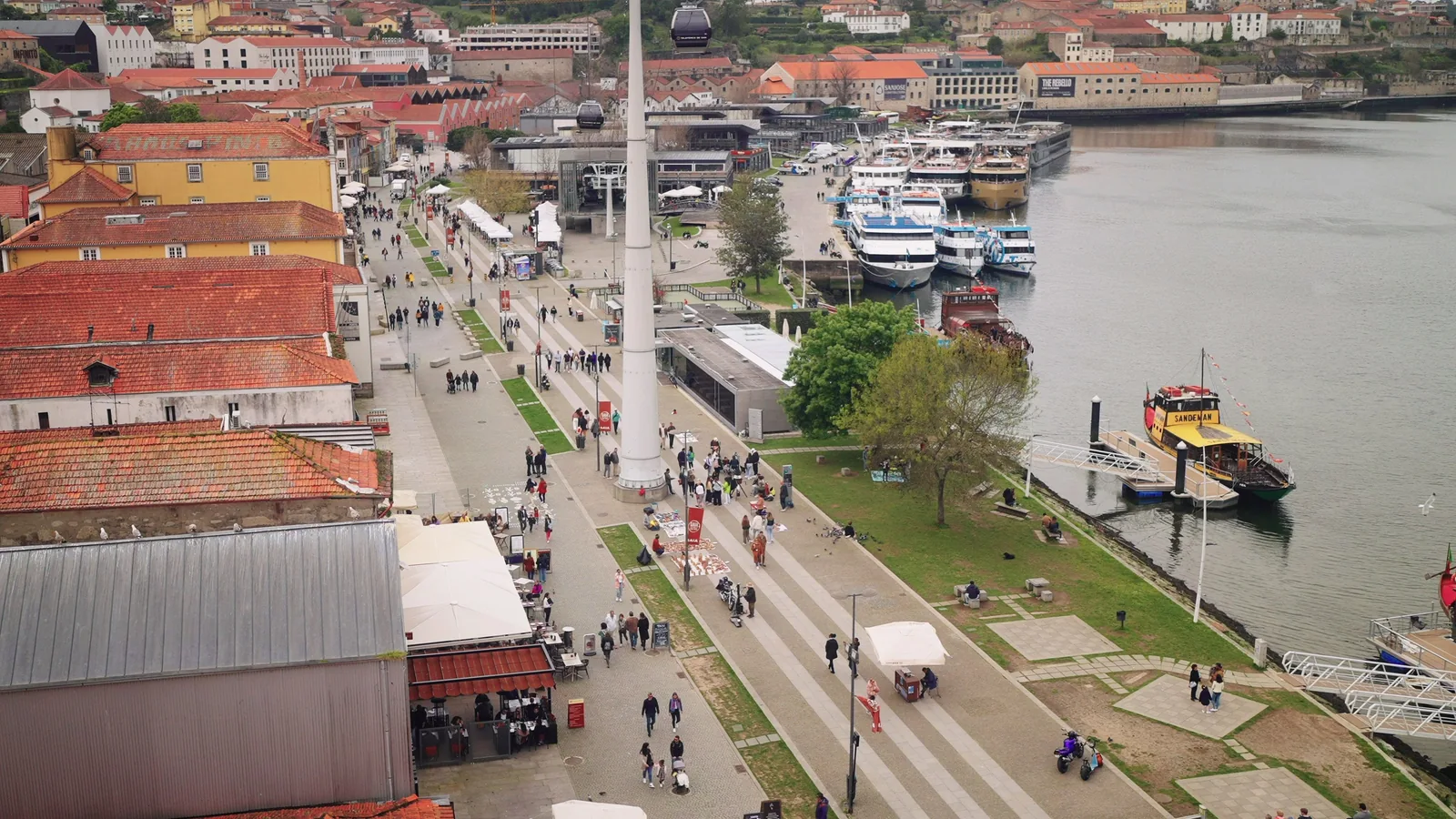
Porto has quietly become one of Europe's most exciting food cities, and it still costs noticeably less than Lisbon for eating out. The Mercado do Bolhão reopened in 2022 after a full renovation and now hosts high-quality food stalls alongside traditional vendors. You can build a lunch from freshly grilled sardines, local cheeses, and pastel de nata without spending more than €15. The city's Francesinha sandwich is a must-try, and the port wine cellars across the river in Vila Nova de Gaia offer tastings from €15. For fine dining, Porto has several Michelin-starred options, but the real magic is in the casual tascas where locals eat. The city is compact and walkable, so you can burn off lunch by exploring the historic Ribeira district.
Pros
- Excellent value compared to Lisbon
- World-class port wine tastings
- Walkable historic centre
- Vibrant street food scene
- Direct flights from UK cities
Cons
- Steep hills can tire less mobile visitors
- No beaches within walking distance
- Can feel crowded in peak season
Madeira Island
Madeira delivers a completely different Portugal experience, with dramatic mountain peaks, lush laurel forests, and a network of levada irrigation trails that make for fantastic hiking. The island's mild climate means you can walk year-round, though the mountains can be rainy even when the coast is sunny. Funchal, the capital, has plenty of hotels and restaurants, but the real appeal is getting out to the trails. The Pico do Arieiro to Pico Ruivo hike is the most famous, and it rewards you with views across the island that feel almost alpine. For a less strenuous option, the levada walks around Caldeirão Verde are gentle and shaded. Madeira also has natural swimming pools at Porto Moniz that are perfect after a morning hike.
Pros
- Excellent hiking trails year-round
- Unique volcanic landscapes
- Mild winter temperatures
- Fewer crowds than mainland resorts
- Natural swimming pools
Cons
- Longer flight from UK (about 3.5 hours)
- Mountain weather can be unpredictable
- Accommodation fills quickly for New Year
Buying Guide: How to Choose Best Places To Visit In Portugal
Choosing the right region in Portugal for your 2026 trip comes down to a few practical questions about how you want to travel, what time of year you can go, and what matters most when you're on holiday. Here's what to weigh up before booking.
Consider your travel season first
Portugal's climate varies more than many first-time visitors expect. The Algarve and Lisbon coast have hot, dry summers with temperatures often above 30°C in July and August, and mild winters that stay around 15-17°C. The Douro Valley gets properly cold in winter, with frost possible in January, but springs and autumns are glorious. Madeira stays mild all year, which makes it a solid winter escape, but it gets more rain on the mountains. If you're restricted to school holidays, the Algarve and Lisbon coast will be busy and pricey in August, while the Douro Valley and Madeira will feel less crowded even at peak times.
Think about how you'll get around
The Algarve is easiest without a car because local buses and trains connect the main towns, and most resorts have everything within walking distance. The Lisbon coast works well with a mix of trains, trams, and Ubers. The Douro Valley genuinely needs a car unless you're staying at a wine estate that arranges transfers. Porto city is walkable but hilly, so good shoes matter more than a vehicle. Madeira can be explored by car, but the mountain roads are steep and winding; many visitors prefer organised tours that handle the driving.
Match the atmosphere to your travel style
Couples looking for romance should lean toward the Douro Valley or the western Algarve, which both offer quiet, scenic settings. Families with young children will find the Lisbon coast most convenient due to short transfers and calm beaches. Food-focused travellers should prioritise Porto or Lisbon, where dining out is a central part of the experience. Adventure travellers who want daily activity should pick Madeira or, if they prefer mainland Portugal, the hiking trails around the Algarve's western cliffs.
Weigh accommodation costs honestly
Accommodation prices in Portugal have risen steadily, but they still compare well with similar destinations in Spain, France, and Italy. The Algarve and Lisbon coast have the widest range of options, from budget hostels to luxury resorts. The Douro Valley skews boutique and premium, with fewer budget options. Porto city has seen strong demand, so city-centre hotels fill early; booking two to three months ahead usually secures better rates. Madeira's accommodation is plentiful but tends toward older, established hotels that offer good value in shoulder seasons.
Check flight routes from your nearest airport
Faro in the eastern Algarve has the most UK airport connections, with direct flights from London, Manchester, Birmingham, Bristol, and several others. Lisbon and Porto both have extensive direct routes. Madeira's Funchal airport connects to London, Manchester, and some regional UK airports. If you're set on the western Algarve, fly into Faro and expect a 45-minute transfer to Lagos or a bit longer to Sagres. The Lisbon coast is a 30-40 minute drive from Lisbon airport, which is ideal for short breaks.
Final Verdict: Best Best Places To Visit In Portugal
For 2026, the western Algarve is our standout recommendation because it combines Portugal's famous beaches with genuine character, a mild year-round climate, and easy access from the UK. Looking to explore more of Portugal? The Douro Valley and Porto make a fantastic combined itinerary for a week-long trip. After reading this guide, the best next step is to compare flights and accommodation options for the region that matches your travel style, then book early for the best rates. Review the Western Algarve options again to get started.
FAQ
What is the best time to visit Portugal in 2026?
For beach holidays, May to September is ideal. For city breaks in Porto or Lisbon, March to June and September to October offer pleasant weather with fewer crowds. The Douro Valley shines in April, May, and September. Madeira is a good winter escape from November to February.
Is Portugal expensive to visit in 2026?
Portugal remains good value compared to Spain, France, and Italy. Expect to pay around €15-20 for a main course in mid-range restaurants, €70-120 per night for comfortable three-star accommodation, and €0.90-1.50 for public transport tickets. The Algarve and Lisbon are pricier than rural areas.
Which part of Portugal is the warmest in winter?
The Algarve is the warmest mainland region, with average daytime highs of 16-18°C in December and January. Madeira is even warmer, averaging 18-20°C. Both are suitable for winter breaks, though swimming requires a wetsuit or a heated pool.
Do I need a car to visit Portugal?
Not necessarily. Lisbon, Porto, and the Algarve have good public transport. The Douro Valley and Madeira are easier with a car, though organised tours can replace one for many activities. Consider your itinerary and mobility needs before deciding.
Is it safe to travel to Portugal as a UK citizen in 2026?
Yes, Portugal is a safe destination suitable for families, couples, and solo travellers. It has a low crime rate, and the biggest practical considerations are usual travel precautions like keeping valuables secure and having valid travel insurance.
What should I pack for a trip to Portugal?
Pack layers, especially if you're visiting outside summer. Comfortable walking shoes are essential for Lisbon, Porto, and any hiking. In summer, bring sun protection, light clothing, and a swimsuit. A light rain jacket helps for Madeira and the Douro Valley even in warm months.