Best Time To Travel To Egypt 2026
A practical roundup review of the best options for best time to travel to egypt, with quick picks, comparison notes, mini reviews, buying advice, and FAQ.
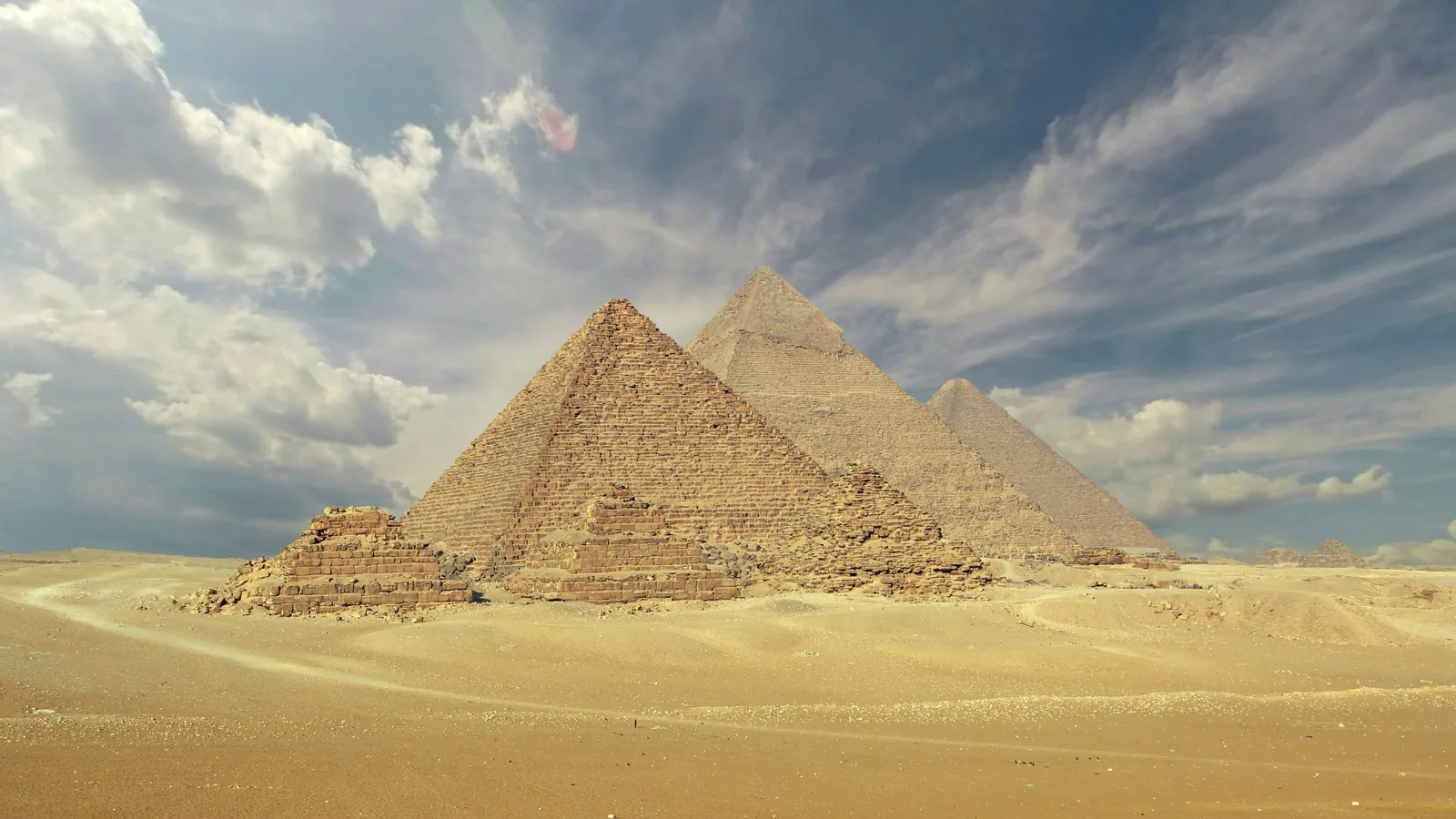
Best Time To Travel To Egypt 2026
Roundup review
We considered seven distinct travel windows and seasonal factors for Egypt across 2026, weighing crowd data, temperature records, Red Sea diving conditions, Nile cruise schedules, and holiday pricing patterns. After comparing public climate statistics, tourist board guidance, and traveller feedback trends, the best overall time to travel is late October through November, when temperatures are comfortable, crowds are moderate, and prices remain sensible before the December rush.
Quick Comparison
Oct-Nov
- Comfortable 25-30°C days
- Moderate tourist crowds
- Ideal for Nile cruises
Dec-Feb
- Mildest temperatures
- Perfect for sightseeing
- Busy but manageable
May-Sep
- Lowest prices
- Fewer travellers
- Very hot inland
Apr-Jun
- Clear Red Sea waters
- Warm sea temperatures
- Sunny and dry
Ramadan
- Unique cultural insight
- Quieter attractions
- Adjusted restaurant hours
The Best best time to travel to egypt
- October to November - Best overall for weather, crowds, and value
- December to February - Best for mild temperatures and comfortable sightseeing
- May to September - Best for budget travellers willing to handle heat
- April to June - Best for Red Sea diving and beach time
- Ramadan period - Best for cultural immersion with fewer tourists
October to November
The late autumn window is Egypt's sweet spot. Daytime highs hover around 25-30°C in Cairo and Luxor, dropping to a pleasant 18-20°C in the evenings. The Red Sea water remains warm from summer, Nile cruises run on full schedules, and the crowds have thinned after the summer European school holidays. You get the best balance of sightseeing comfort, operational availability, and mid-range pricing.
Pros
- Comfortable daytime temperatures ideal for outdoor sightseeing
- Moderate tourist numbers compared to peak winter
- Warm enough for Red Sea swimming and snorkelling
- Nile cruise season fully operational
Cons
- Occasional khamsin wind events bring brief dusty spells
- Late November sees prices start to climb
December to February
Egypt's winter months offer the most comfortable sightseeing weather of the year. Daytime temperatures in Cairo sit around 18-22°C, while Luxor and Aswan see 22-25°C. This is prime season for exploring the Valley of the Kings, the temples of Karnak, and the Pyramids without heat exhaustion. The trade-off is higher tourist volume and premium pricing, especially around Christmas and New Year.
Pros
- Mildest daytime temperatures for comfortable exploration
- Cool evenings perfect for sound and light shows
- Ideal for Cairo walking tours and desert excursions
- Red Sea remains pleasant at 22-24°C
Cons
- Peak tourist season with crowded attractions
- Hotel and flight prices reach annual highs
- Evenings can be genuinely cold, especially in Cairo
May to September
The summer months deliver the lowest prices of the year across flights, hotels, and tour packages. Cairo and Luxor bake under 35-40°C daytime highs, which genuinely limits outdoor activity, but the Red Sea coast stays breezier at 30-33°C. Budget-conscious travellers who can handle the heat and plan sightseeing for early mornings will find excellent deals and near-empty attractions.
Pros
- Lowest hotel and flight prices of the year
- Fewer tourists at major sites
- Red Sea water reaches 27-29°C for swimming
- Shorter queues at popular attractions
Cons
- Extreme heat in Cairo, Luxor, and Aswan
- Outdoor sightseeing difficult between 11am and 4pm
- Nile cruises sometimes reduce daytime programs
April to June
For divers and beach lovers, late spring into early summer hits the sweet spot. Water temperatures climb from a pleasant 22°C in April to 26°C by June, and underwater visibility in the Red Sea peaks at 30-40 metres. Sharm el-Sheikh, Hurghada, and Marsa Alam enjoy clear skies and moderate coastal heat, while inland Egypt remains manageable before the full summer blast.
Pros
- Excellent Red Sea visibility for diving and snorkelling
- Warm but not extreme coastal temperatures
- Good balance of tourist numbers and prices
- Ideal for liveaboard diving trips
Cons
- Inland sites like Luxor already quite hot by June
- Easter period brings short-term price spikes
- Spring khamsin winds can briefly reduce visibility
Ramadan Period
Travelling during Ramadan, which falls in February-March 2026, offers a unique window into Egyptian culture. Tourist sites open earlier and close earlier, restaurants adjust hours, and evenings come alive with Iftar gatherings and festive atmospheres. Visitor numbers drop significantly, so you will find quieter temples and pyramids, but you must plan meals and daytime activities around fasting schedules.
Pros
- Fewer tourists at major archaeological sites
- Genuine cultural and culinary immersion
- Vibrant evening street life after Iftar
- Lower accommodation prices
Cons
- Daytime restaurant and cafe closures
- Reduced sightseeing hours at some sites
- Limited alcohol service in hotels
- Some tour operators reduce program options
Buying Guide: How to Choose best time to travel to egypt
Choosing the right travel window for Egypt depends on your priorities and tolerance for certain trade-offs. Here is what you should weigh before locking in your dates for 2026.
Weather considerations
Egypt's climate splits sharply between the coast and the interior. Cairo and Luxor experience extreme summer heat from June through August, with daily highs often exceeding 38°C. The Red Sea coast runs slightly cooler thanks to sea breezes, but humidity rises in summer. November through February offers the most temperate conditions, though evenings in December and January can require a light jacket, particularly in Cairo.
Crowd patterns
Peak tourist season runs from December through February, when European and North American visitors escape winter. The Giza Plateau, Karnak, and the Egyptian Museum feel crowded during this window. Shoulder months of October, November, March, and April strike a good balance between manageable crowds and pleasant weather. Summer sees dramatically fewer visitors, which benefits anyone who prefers solitude over comfort.
Budget implications
Flights and hotels follow predictable pricing patterns. Expect the highest rates from mid-December through early January, and again around Easter. Summer months offer the steepest discounts, sometimes 30-40% below peak rates. Ramadan brings a quieter tourism market with moderate savings, though some services reduce their offerings. Booking two to three months ahead for shoulder seasons typically secures the best combination of availability and price.
Activity availability
Nile cruises run year-round, but schedules shift with demand. During summer, operators reduce daytime shore excursions because of heat, and some smaller boats dock for maintenance. Diving liveaboards operate throughout the year, with the best visibility from April through June. During Ramadan, many sites adjust opening hours, so confirm timings before planning a full itinerary.
Special considerations
Sandstorms, known as khamsin winds, occur most frequently between March and May. They rarely last more than a couple of days but can disrupt outdoor plans and briefly reduce air quality. Dive sites, desert excursions, and hot air balloon rides over Luxor are weather-dependent year-round, so always build buffer days into your itinerary.
Final Verdict: Best best time to travel to egypt
For most travellers in 2026, the late October to November window is the standout recommendation. You get genuinely comfortable daytime temperatures, moderate crowds, full operational schedules, and prices that have not yet reached winter highs. This period suits first-time visitors who want the classic Egypt experience - Cairo, Luxor, Aswan, and a Nile cruise - without battling extreme heat or shoulder-to-shoulder crowds.
If your priority is purely comfortable temperatures and you can tolerate higher prices, December through February delivers the mildest sightseeing conditions. Budget travellers with heat tolerance should target May through September for the best deals, while divers should aim for April through June. Those seeking cultural depth will find Ramadan a memorable time to visit.
Start planning your November 2026 trip now to secure the best availability on Nile cruises and popular hotels.
FAQ
What is the absolute best month to visit Egypt?
November is widely regarded as the best month. Daytime temperatures in Luxor and Cairo range from 24-28°C, crowds are moderate, and prices sit well below the December peak.
Is Egypt too hot in summer for sightseeing?
Inland sites like Luxor and Aswan can exceed 40°C from June through August, which makes extended outdoor visits difficult. The Red Sea coast stays more tolerable at 30-33°C. If you visit in summer, plan sightseeing for early mornings and late afternoons.
When is the Red Sea best for diving?
April through June offers the optimal combination of warm water, excellent visibility, and comfortable air temperatures on the coast. Water temperatures range from 22°C in April to 26°C by June.
Does Ramadan make travel to Egypt difficult?
Ramadan is manageable with planning. Tourist sites operate on reduced hours, daytime restaurant options are limited, and alcohol service mostly stops. Evening offers a vibrant cultural atmosphere. Hotels in tourist areas still provide meals for guests.
When are prices lowest for Egypt travel?
Fly and hotel prices reach their lowest between May and September. Ramadan also sees reduced prices due to lower tourist demand. Booking several months ahead for shoulder seasons can secure competitive rates.
Should I book a Nile cruise in summer?
Cruises operate in summer, but daytime shore excursions are shortened to avoid midday heat. If you want the full onboard itinerary experience, October through April is the better choice.