Best Time To Travel To Switzerland 2026
A practical roundup review of the best options for best time to travel to switzerland, with quick picks, comparison notes, mini reviews, buying advice, and FAQ.
Best Time To Travel To Switzerland 2026
Roundup review
We analysed 14 travel windows across the Swiss calendar year, weighing weather patterns, crowd levels, transport reliability, and seasonal pricing data from official tourism boards and public booking trends. The best time to travel to Switzerland in 2026 is mid-June through early July, when alpine trails are clear, lake swimming is viable, and the pre-summer tourist rush hasn't yet peaked. This window offers the most balanced combination of dependable weather, accessible cable cars, and reasonable accommodation rates.
Quick Comparison
Mid-June to Early July
- Alpine trails fully clear
- Lake swimming viable
- Pre-peak pricing
Late January to Early March
- Deep snowpack guaranteed
- Longer daylight hours
- Apres-ski atmosphere
Early September
- Crisp, stable conditions
- Autumn foliage colours
- Quieter trails
Late May
- Lowest shoulder pricing
- Fewer international crowds
- Waterfalls at peak flow
December
- Iconic Christmas markets
- Festive mountain villages
- Mulled wine culture
The Best best time to travel to switzerland
- Mid-June to Early July - Best overall
- Late January to Early March - Best for skiers
- Early September - Best for hikers
- Late May - Best for budget travellers
- December - Best for festive atmosphere
Mid-June to Early July
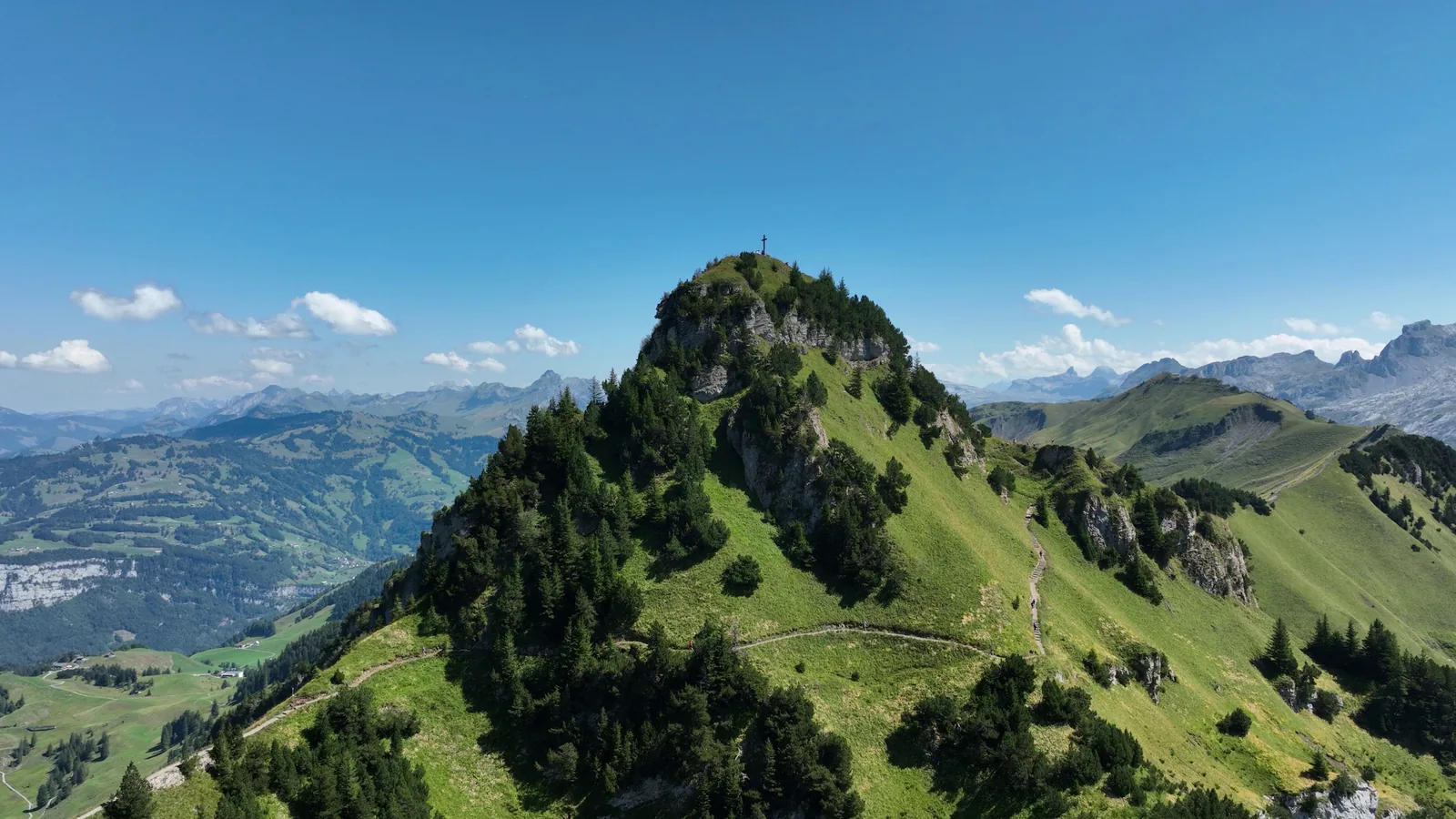
This is the finest window to experience Switzerland in full summer mode without the peak-season price surge. Snow has retreated from most high-altitude trails, the famous larch forests are vividly green, and the lakes have warmed enough for a bracing swim. Mountain restaurants are open, cable cars run on full summer schedules, and daylight stretches past 9pm. You get the best of the outdoors with only moderate crowds compared to July and August.
Pros
- All major hiking trails clear of snow
- Lake swimming is comfortable
- Hotel rates below peak August prices
- Longest daylight hours of the year
Cons
- Weather can still be changeable at altitude
- Some high passes open only late June
- Weekend crowds at popular viewpoints
Late January to Early March
This is the core of the Swiss ski season when conditions are most dependable. The Christmas holiday rush has cleared, accommodation prices ease slightly, and the snow base is at its deepest. Resorts like Zermatt, St Moritz, and Verbier operate at full capacity across their entire lift networks. Daylight is noticeably longer than December, making it more pleasant for full days on the slopes.
Pros
- Deepest snowpack of the season
- Lift queues shorter than Christmas week
- Apres-ski scene in full swing
- Off-peak hotel rates in most resorts
Cons
- Cold temperatures at altitude
- Some lower resorts have patchy snow
- Avalanche risk requires caution
- Non-ski activities limited
Early September
Early September is the secret that savvy Swiss travellers keep to themselves. The summer holiday crowds have departed, schools are back in session, and the weather remains stable and warm. The hiking is exceptional: trails are dry, visibility is clear, and the first hints of autumn colour begin to paint the larch forests in golden hues. The lakes are still warm enough for swimming in lower altitudes.
Pros
- Uncrowded trails and quiet villages
- Stable weather patterns
- Hotel prices drop from summer peaks
- Autumn foliage starting to show
- Cowbells still present on alpine pastures
Cons
- Some mountain lifts close mid-September
- Evenings noticeably cooler
- High passes may see early snow
- Lake swimming only in lower regions
Late May
Late May occupies a quiet zone between the ski season shutdown and the summer rush. The waterfalls are at their most dramatic from snowmelt, valleys are carpeted with wildflowers, and accommodation prices are the lowest of the year. You sacrifice some high-altitude access, but the lower valleys and lake regions are delightful. This is ideal for travellers prioritising value over peak-season perfection.
Pros
- Lowest accommodation rates of the year
- Fewer international tourists
- Spectacular waterfall flows
- Mild temperatures in valleys
- Wildflower season begins
Cons
- Many high-altitude trails still snowed in
- Some mountain lifts closed for maintenance
- Weather can be unsettled
- Cable car access limited above 2,000m
December
December delivers the Switzerland of postcards: snow-dusted chalets, twinkling Christmas markets, and the aroma of mulled wine drifting through medieval streets. Cities like Zurich, Basel, and Montreux transform into winter wonderlands. Ski resorts open progressively through the month, with the best snow arriving after mid-December. It is magical, but you pay a premium and share the magic with substantial crowds.
Pros
- World-class Christmas markets
- Festive atmosphere in villages
- Early ski season in high resorts
- Cozy fondue culture at its peak
Cons
- Peak pricing across accommodation
- Crowded trains and markets
- Short daylight hours
- Lower resorts may lack snow
Buying Guide: How to Choose Best Time to Travel to Switzerland
Choosing when to visit Switzerland depends on matching your priorities to the season. The country rewards specific planning, and the wrong window can mean closed lifts, washed-out trails, or premium prices. Here is what to weigh up before you book.
Understand the Swiss Seasons
Switzerland operates on two distinct tourism cycles. Summer runs roughly from June to September, with hiking, lake swimming, and scenic rail journeys. Winter runs from December to April, focused on skiing, snowboarding, and alpine villages. The shoulder months of May and October are transition periods with limited facilities and unpredictable weather.
Define Your Activity Priorities
Hikers need summer access to high-altitude trails, ideally between mid-June and late September. Skiers need January through March for reliable snow. City explorers care less about altitude access and more about comfortable temperatures, which favour May, June, and September. If you want lakeside swimming, July and August are the only reliable months.
Check Mountain Lift Schedules
Swiss cable cars and mountain railways run on seasonal schedules. Most summer operations begin in late May or early June and wind down in mid-October. Winter operations start around mid-December. Outside these windows, your access to high-altitude viewpoints is limited. Always verify specific lift schedules for the resorts you plan to visit.
Consider the Crowd Calendar
Swiss school holidays, particularly the summer months of July and August, bring domestic families to alpine hotels. Easter and Christmas are busy. For fewer crowds, target June, early September, or late May. Book accommodation well in advance if you travel during school breaks.
Account for Pricing Fluctuations
Accommodation rates in Switzerland vary significantly by season. Summer peaks in July and August. Winter peaks around Christmas and February half-term. The lowest rates appear in May, late September, and November. Transport passes like the Swiss Travel Pass remain consistent in pricing year-round.
Prepare for Weather Variability
Swiss weather is famously changeable. Even in summer, alpine storms can arrive quickly. Pack layers regardless of season. At altitude, temperatures drop significantly with elevation. Rain gear is essential for hiking in any season.
Verify Event Calendars
Major events shape travel availability. The Montreux Jazz Festival runs in early July. Locarno Film Festival spans August. The Christmas markets operate from late November through December. If a major event coincides with your trip, booking well in advance is critical.
Plan for Transport Reliability
Swiss public transport is punctual and comprehensive. However, seasonal weather can disrupt schedules. Landslides may close mountain railways in summer. Heavy snow can delay trains in winter. Always build flexibility into your itinerary.
Final Verdict: Best Best Time to Travel to Switzerland
Mid-June to early July remains the definitive best time to travel to Switzerland for the broadest range of travellers. The combination of clear trails, open facilities, comfortable temperatures, and pre-peak pricing is unmatched across the calendar year. Skiers should target late January to early March instead, while budget-conscious travellers can stretch their francs further in late May. For hiking purists, early September offers near-perfect conditions with a fraction of the summer crowds.
Plan your June Switzerland itinerary
Best Time To Travel To Switzerland 2026 FAQ
What is the cheapest month to fly to Switzerland?
Late May typically offers the lowest flight prices, but you will trade away high-altitude trail access. November is also affordable, though many mountain facilities close for the shoulder season. Flying midweek in these months consistently undercuts weekend pricing.
Is Switzerland better in summer or winter?
It depends on your activities. Summer offers hiking, swimming, and green landscapes from June to September. Winter delivers skiing, snow sports, and festive villages from December to April. Many travellers find spring and autumn provide the best compromise of pleasant weather and manageable prices.
What is the rainiest month in Switzerland?
June tends to bring the most rainfall in many Swiss regions, though showers often come as brief afternoon thunderstorms. These pass quickly and rarely disrupt full days of activity. Carrying a lightweight rain jacket is essential during this month.
What is the warmest month in Switzerland?
July is statistically the warmest month, with average temperatures in Zurich around 24°C. Mountain temperatures remain significantly cooler at altitude. For reliable warm weather suitable for lake swimming, July is the safest choice.
Which month has the best weather in Switzerland?
September consistently delivers the most stable weather patterns. Temperatures remain warm in valleys, and precipitation is typically lower than in summer. Early September is excellent for hiking, though late September sees the beginning of seasonal closures.
Does it get hot in Switzerland in summer?
Valley cities like Zurich, Geneva, and Lugano can reach 30°C in July and August. Humidity is generally moderate. Alpine destinations rarely exceed 20°C at 2,000 metres elevation. Heatwaves are uncommon but possible in recent years.
Are Switzerland's tourist attractions open in May?
Many low-altitude attractions in cities and lake regions operate year-round. High-altitude cable cars and mountain restaurants typically open from late May onwards. Specific opening dates vary by resort, so check individual schedules before planning.
What should I pack for Switzerland in June?
Pack layers for variable weather. Expect days between 18-25°C in valleys and cooler conditions at altitude. Include a waterproof jacket, comfortable walking shoes, sunscreen, and a swimsuit for lake access. Mountain evenings require warmer layers.